CBS 2019


CBSMD教育中心




HOME


CBS 2019
At CBS






General Information
Association and Affiliations
Organized by
Nanjing Heart Center
Asian Bifurcation Club (ABC)
Nanjing First Hospital, Nanjing Medical University
Co-organized by
Chinese Society of Cardiology (CSC)
Capacity Building and Continuing Education Center,National Health and Family Planning Commission (CBCEC)
American Society for Cardiovascular Angiography and Interventions (SCAI)
Asian Heart Society (AHS)
Contact Us
Registration Administration of Domestic Representatives
Hongjuan Peng : +86-13913895477
Haimei Xu +86-13914736846
 cbsnj@cbsmd.cn
Registration Administration of Overseas Representatives
Ling Lin : +86 (25) 52271398
+86-13951884596
cbs@cbsmd.cn
Management of Challenging Cases
Yingying Zhao :+86-13815408517
sub@cbsmd.cn
Address
 CBS2019 Congress Secretariat, Nanjing First Hospital, Building No.9 68# Changle Road, Nanjing, China
 210006


FACULTY
FACULTY
General Chairman
Congress Chairman


Education Center
Education Center
• Online Education (For more customized user interface with self-defined collection of research papers and education resources.)
• CBS Education Resource



• CBSMD Scientific Library





SCIENTIFIC LIBRARY
SCIENTIFIC LIBRARY
Research Paper
> Acute Coronary Syndrom
> ASCVD Prevention
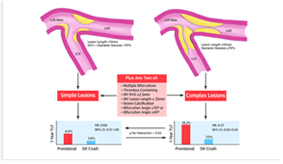
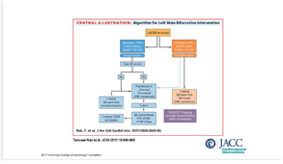
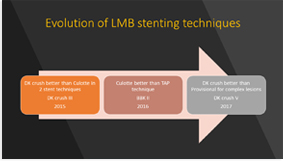
> Bifurcation Stenting
> Cardio-Oncology
> Congestive Heart Failure
> DAPT Duration
> Drug Coated Balloon
> Fractional Flow Reserve
> IVUS Guidance
> Optical Coherence Tomography
> Pulmonary Hypertension
> Rotational Atherectomy
> Shear Stress
> Stenting Left Main
> Transcatheter Aortic Valve Replacement
> Percutaneous LAA Occlusion
> Mitral/Tricuspid Valvular Disease
> Other Relevant Articles
Recommended Paper
Management of Acute Myocardial Infarction During the COVID-19 Pandemic
COVID-19 and Thrombotic or Thromboembolic Disease: Implications for Prevention, Antithrombotic Therapy, and Follow-up
CSC Expert Consensus on Principles of Clinical Management of Patients with Severe Emergent Cardiovascular Diseases during the COVID-19 Epidemic
ACC Clinical Bulletin Focuses on Cardiac Implications of Coronavirus (COVID-19)
Scientific Library
Original Research2021 Nov 21;e2104264.
JOURNAL:Adv Sci (Weinh). Article Link
ZQ Zhao, XB Zhang, HY Zhang et al. Keywords: antiplatelet; dual-drug nanoassembly; photothermal thrombolysis; site-specific synergistic thrombolysis; thrombus penetration
Thrombotic cardio-cerebrovascular diseases seriously threaten human health. Currently, conventional thrombolytic treatments are challenged by the low utilization, inferior thrombus penetration, and high off-target bleeding risks of most thrombolytic drugs, resulting in unsatisfactory treatment outcomes. Herein, it is proposed that these challenges can be overcome by precisely integrating the conventional thrombolytic strategy with photothermal therapy. After co-assembly engineering optimization, a fibrin-targeting peptide-decorated nanoassembly of DiR (a photothermal probe) and ticagrelor (TGL, an antiplatelet drug) is prepared for thrombus-homing delivery, abbreviated as FT-DT NPs. The elaborately engineered nanoassembly shows multiple advantages, including simple preparation with high drug co-loading capacity, synchronous delivery of two drugs with long systemic circulation, thrombus-targeted accumulation with self-indicating function, as well as photothermal-potentiated thrombus penetration and thrombolysis with high therapeutic efficacy. As expected, FT-DT NPs not only show bright fluorescence signals in the embolized vessels, but also perform photothermal/antiplatelet synergistic thrombolysis in vivo. This study offers a simple and versatile co-delivery nanoplatform for imaging-guided photothermal/antiplatelet dual-modality thrombolysis.











 中 文
中 文








 CBS 2019
 CBS 2019 FACULTY
 Education Resource
 CBSMD Scientific Library


